Opening a Bank Account in KSA for Expats Required Documents and Approval Tips
Opening a bank account in Saudi Arabia is one of the first practical steps most expats need to complete after arrival. A local account is required to receive your salary, pay rent, use government platforms, and handle daily expenses. The process is structured and regulated, but it is manageable when you know what banks expect.
This guide explains how opening a bank account in KSA for expats works, which documents are required, how approval decisions are made, and how to avoid common delays. The information reflects current nationwide practice across major Saudi banks.
Who can open a bank account in Saudi Arabia
Expats can open a bank account once they have legal residency status. Tourist visa holders are not eligible for standard personal accounts. Banks verify residency through government systems before proceeding.
You can open a bank account if you have a valid Iqama issued under your employer or sponsor. Students with a student Iqama are usually eligible. Dependents may open accounts with some banks, but approval depends on the bank and sponsor details.
Types of bank accounts available for expats
Most expats open a standard current account. This is the account type used for salary deposits and daily transactions. It usually includes a debit card, online banking, and mobile app access.
Savings accounts are offered by some banks but are less common for new expats. These may require a minimum balance and are often linked to a current account.
Islamic accounts are widely available and follow Sharia compliant banking rules. You can request this option during the application if it matters to you.
Required documents to open a bank account
Banks in Saudi Arabia follow strict know your customer rules. Missing or mismatched documents are the main reason applications are delayed or rejected.
You will usually need the following.
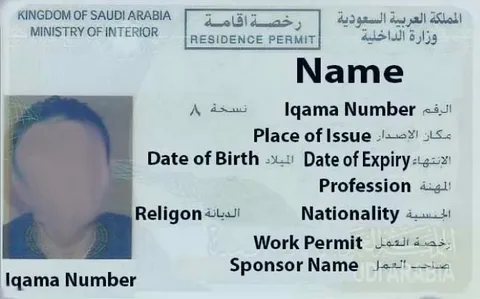
A valid Iqama
Your Iqama must be active and registered in government systems. Banks check this electronically.
A valid passport
The passport must match the Iqama details exactly. Expired passports can cause delays even if the Iqama is valid.
National address registration
Your address must be registered in the national address system. This is done through Saudi Post. Some banks verify this automatically. Others may ask you to confirm it during the application.
Mobile number registered under your Iqama
Your phone number must be linked to your Iqama with your telecom provider. Banks use this for verification codes and account activation.
Employer information
Many banks request your employer name and sometimes your employment contract. Salary accounts almost always require employer details.
Additional documents may be requested depending on the bank and your employment category. These requests are common and should not be seen as a problem.
Where and how to apply
Most Saudi banks allow you to start the application online through their website or mobile app. In practice, many expats still need to visit a branch to complete identity verification.
Online application
You enter your Iqama details, mobile number, and basic personal information. If the system verifies your data successfully, you receive a reference number or appointment.
Branch visit
At the branch, a bank officer verifies your original documents and captures your biometrics if required. Approval may be immediate or may take several working days.
Some banks require appointments. Others accept walk ins. Branch practices vary by location and workload.
Approval process and how banks decide
Banks do not approve accounts manually in isolation. Approval is based on automated checks linked to government platforms and internal compliance rules.
The bank verifies your residency status through government systems. Your employer classification is checked. Your mobile number linkage is confirmed. Any mismatch can trigger a manual review.
Approval is usually fast when all records align. Delays happen when data has not yet synced between platforms or when documents were recently updated.
Common reasons for rejection or delay
Most issues are administrative and fixable.
- Your Iqama is newly issued and not fully synced
- Your mobile number is not registered under your Iqama
- Your national address is missing or outdated
- Your employer information does not match government records
- Your passport details differ from your Iqama
Banks rarely explain rejections in detail. If this happens, ask the branch staff which requirement needs correction and reapply after fixing it.
Tips to improve approval chances
- Apply after your Iqama has been active for a few days
- Update your national address before visiting the bank
- Register your mobile number under your Iqama
- Bring original documents even if you applied online
- Choose a major bank with strong expat support
Large banks tend to process expat applications more smoothly due to experience and system integration.
Using your account after approval
Once approved, you receive your IBAN and account number. Debit cards are usually issued immediately or delivered within a few days. Online banking access is activated after identity verification.
Salary deposits may require employer coordination. Some employers only transfer salaries to specific banks. Confirm this before choosing where to open your account.
You can manage most services through the bank app, including transfers, bill payments, and government fees.
Important compliance notes for expats
Saudi banks are regulated by the Saudi Central Bank. Account monitoring is strict. Unusual activity may trigger verification requests.
Always keep your residency and contact details updated. Inform the bank if your employer or sponsorship changes. Failure to update records can freeze access temporarily.
For official banking regulations and consumer protections, refer to guidance published by the Saudi Central Bank.
Getting help and next steps
If you are new to Saudi Arabia and still settling administrative tasks, practical guides can make the process easier. You can find more step by step expat resources on KSA Buddy to help you navigate daily life in the Kingdom.